How Puppy Trainer Near Me makes learning enjoyable through games
Wiki Article
Open the Keys of Successful Dog Training for a Happier and Mannerly Pet
Successful dog training hinges on a deep understanding of canine behavior. By identifying how canines connect, proprietors can better satisfy their requirements. Uniformity and favorable reinforcement play important roles in promoting desirable habits. Numerous still struggle with common errors that can impede progress. As the trip of training unravels, checking out reliable strategies can disclose the potential for a happier, well-adjusted animal. The following steps might amaze even the most experienced dog owners.Recognizing Your Dog's Habits
The Importance of Uniformity in Training
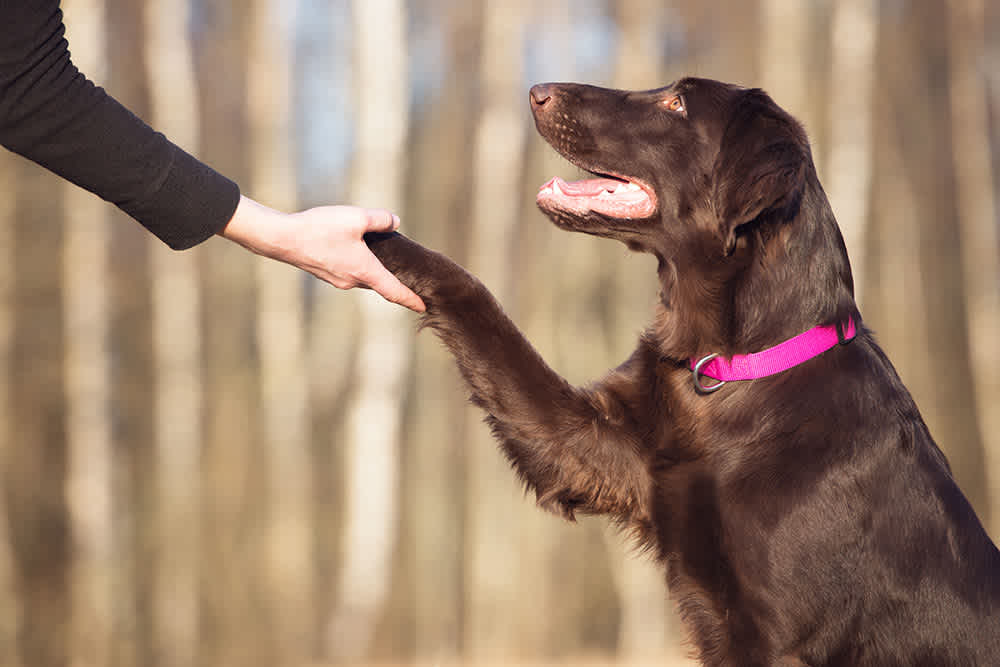
Consistency in training is important for promoting a dog's understanding of commands and expectations, as it develops a steady understanding setting. When proprietors use the very same commands, cues, and rewards continually, dogs are much more likely to comprehend what is being asked of them. Irregular training can result in complication, where canines could not recognize which habits are wanted, resulting in aggravation for both the owner and the animal. Developing a regular helps enhance learning, enabling pets to link particular activities with their equivalent commands. Additionally, consistent support of rules and borders assists cultivate etiquette gradually. Ultimately, a dedication to uniformity not only improves a canine's training experience but likewise reinforces the bond between the family pet and owner.
Favorable Support Strategies
Positive reinforcement methods are essential for effective dog training, stressing the relevance of incentives and treats. Uniformity and timing play vital duties in reinforcing preferred actions, ensuring that dogs make the link in between their activities and the favorable end results. By carrying out these methods, fitness instructors can foster a much more interesting and reliable discovering setting for their family pets.Incentives and Deals with
Efficient dog training frequently rests on the strategic use of incentives and deals with, which act as effective incentives for canine actions. These incentives can greatly boost a pet's readiness to find out and abide with commands. When a pet successfully carries out a preferred activity, prompt rewards-- such as tasty treats or enthusiastic appreciation-- reinforce that habits. The kind of benefit can differ, relying on the specific dog's preferences; some may respond better to food treats, while others might grow on spoken affirmations or play. Additionally, varying the rewards can maintain a dog's interest and engagement during training sessions. By using incentives successfully, fitness instructors can produce favorable associations, causing boosted obedience and a better, well-adjusted pet dog.Uniformity and Timing
Effective dog training is not exclusively dependent on benefits and treats; it also depends on the consistency and timing of those supports. Consistency includes applying the same commands and responses throughout various training sessions, making sure that the dog comprehends expectations. Timing, on the other hand, is crucial; incentives must be given quickly after a wanted actions to produce a clear link in between the activity and the reward. Postponed reinforcement can perplex pets, leading them to connect the reward with an unrelated behavior. By keeping constant hints and providing prompt reinforcement, trainers boost the likelihood of wanted habits being repeated. This mix promotes a strong understanding, eventually resulting in a happy and mannerly family pet.Common Training Challenges to Prevent
Many dog proprietors unknowingly drop into typical training pitfalls that can impede their progress. One main mistake is variance in commands and expectations, which confuses the dog and delays finding out. Furthermore, several owners stop working to recognize the value of rewarding etiquette quickly, causing misunderstandings regarding what actions are being enhanced. Over-reliance on penalty as opposed to favorable support can also produce concern and anxiousness, ultimately damaging the bond in between pet dog and owner. One more typical mistake is overlooking to educate in varied environments, limiting a canine's flexibility. Ultimately, setting unrealistic expectations can cause aggravation for both the dog and the proprietor. Recognition of these challenges is crucial for fostering effective training and a harmonious relationship with the animal.
Socialization: Key to a Well-Adjusted Dog
Socialization is important for establishing a well-adjusted dog, as it subjects them to different people, atmospheres, and experiences. Early and constant socialization assists pets learn proper actions, lowering anxiety and anxiousness in strange scenarios. By interacting with different pets, individuals, and stimulations, they end up being much more versatile and positive. Positive experiences during socialization can protect against future behavior problems, such as hostility or excessive shyness. It is vital for owners to develop possibilities for their pet dogs to engage with varied setups, whether with puppy courses, dog parks, or structured playdates. A well-socialized dog is commonly a lot more kicked back and much easier to educate, causing a happier pet dog and an extra harmonious partnership with their proprietor and the community.Constructing a Solid Bond With Training
Establishing a solid bond between a pet and its proprietor is important for reliable training and general companionship. This bond is developed through regular training sessions that use favorable reinforcement strategies - 30A Dog Training. When an owner awards wanted habits with deals with, praise, or play, the dog discovers to associate training with positive experiences. In addition, spending top quality time together, such as taking part in play or exterior activities, promotes trust fund and understanding. Regular training not just boosts communication yet also assists the dog really feel secure and valued. As the connection grows, the dog becomes more responsive to commands, causing a well-behaved pet. Eventually, a solid bond results in a harmonious partnership, enhancing both the dog's and proprietor's livesRegularly Asked Questions
For How Long Should Training Procedure Last for Ideal Results?
What Age Is Suitable to Start Training My Pup?
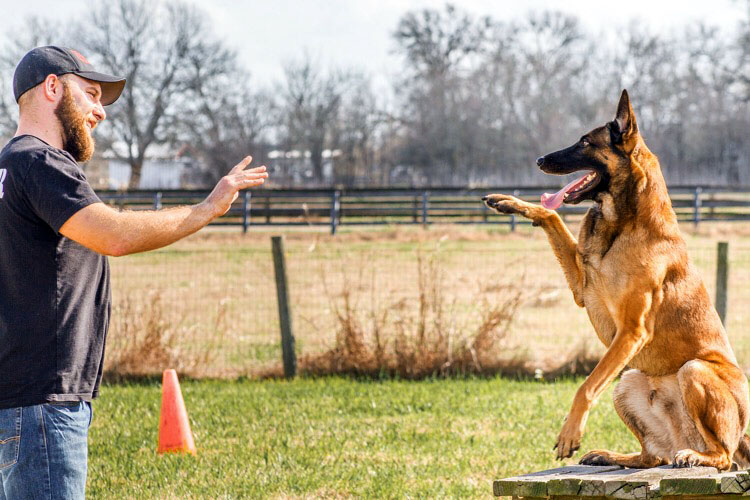
The suitable age to start educating a puppy is around 8 weeks. At this stage, they are responsive to discovering and socialization, which lays a solid foundation completely actions and obedience throughout their lives.Can Older Canines Find Out New Commands Successfully?
Yes, older dogs can find out brand-new commands properly. While they might need even more persistence and regular reinforcement, their ability to react and comprehend to training can be equally as solid as that of younger pet dogs.How Do I Manage Interruptions Throughout Training?
To deal with disturbances during training, one ought to pick a peaceful setting, gradually present distractions, use high-value benefits, and keep the dog's focus with constant signs and patience, making certain a positive discovering experience for the pet.What Devices Do I Need for Effective Dog Training?
Important tools for successful dog training include a sturdy chain, collar or harness, deal with pouch, high-value treats, remote control, training floor covering, and playthings. These items facilitate reliable interaction and positive reinforcement, ensuring an effective training experience.
While several dog owners may think they recognize their family pet's behavior intuitively, a much deeper exploration reveals that pets interact with a complex mix of body language, articulations, and social hints. Additionally, a pet's social interactions with other canines and human beings supply vital context about its actions. It is important for proprietors to produce opportunities for their pet dogs to engage with varied settings, whether via puppy courses, dog parks, or structured playdates. When a proprietor rewards wanted behaviors with deals with, praise, or play, the dog finds out to associate training with favorable experiences. Vital tools for successful dog training consist of a sturdy leash, collar or harness, deal with pouch, high-value deals with, clicker, training floor covering, and playthings.
Report this wiki page